
An e-bike makes daily travel easier, but nobody wants to watch the battery indicator fall faster than expected. Although battery capacity matters, your riding style, route, tire condition, weather, and cargo can make a noticeable difference on every trip.
The good news is that you do not need complicated modifications to extend e-bike battery range. A few practical habits can reduce wasted energy, make your ride smoother, and help you arrive with more charge remaining.
Why E-Bike Range Changes from Ride to Ride
A published range figure is a useful reference, not a guarantee. Real-world range varies with assistance level, speed, rider and cargo weight, hills, wind, temperature, road surface, and the number of stops along the way. Battery age and bicycle maintenance also matter.
Instead of expecting the same distance under every condition, learn what affects your own bike. Comparing similar journeys is the best way to establish a realistic personal range.
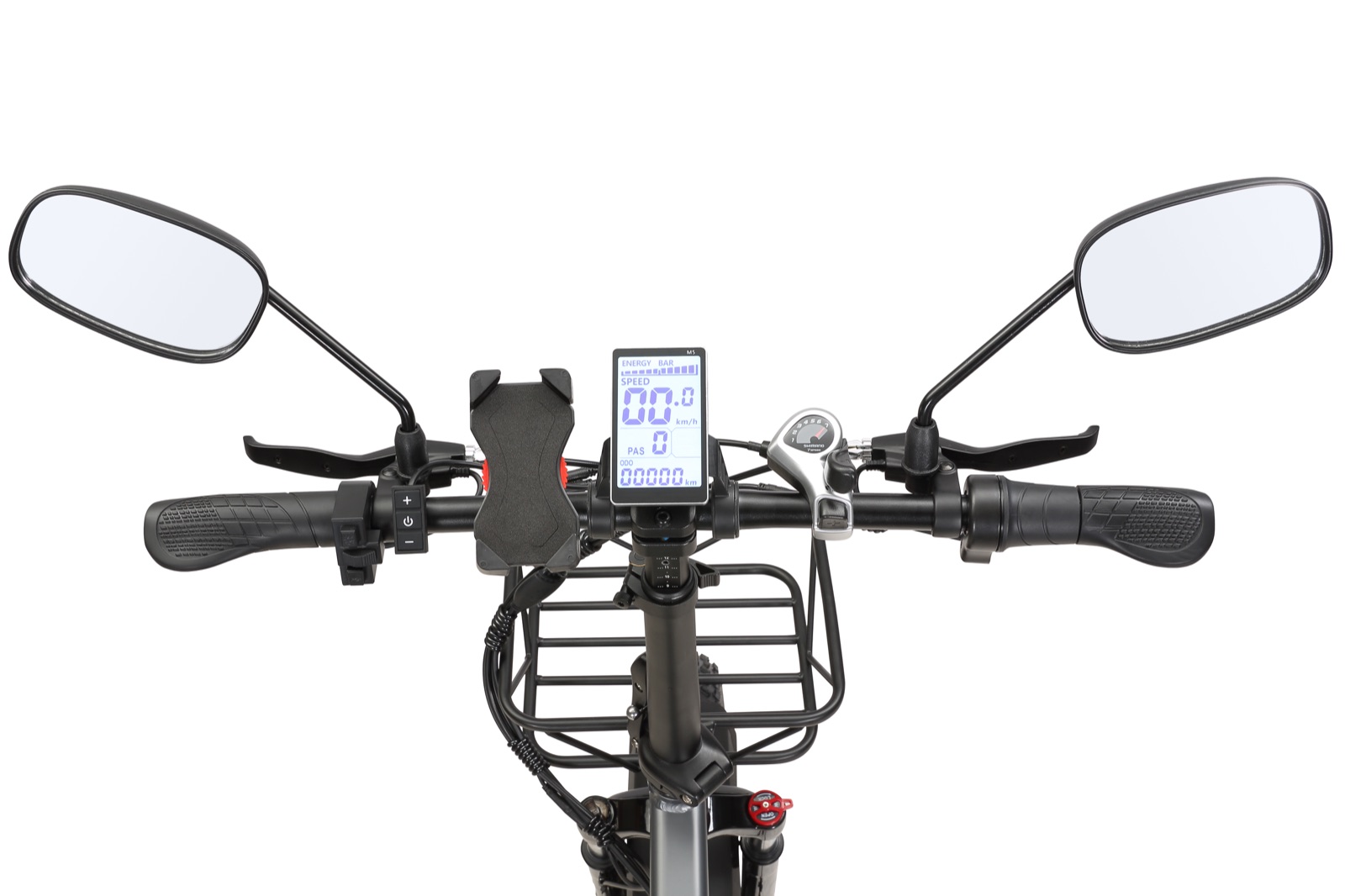
Prepare Your E-Bike Before You Ride
1. Keep the Tires Properly Inflated
Underinflated tires create extra rolling resistance, so the motor must work harder to maintain speed. Check tire pressure regularly with a reliable gauge and stay within the range printed on the tire or recommended by the bicycle manufacturer.
The ideal pressure depends on the tire, rider weight, road surface, and comfort needs. Avoid simply inflating to the maximum: the goal is appropriate pressure, not the highest possible number.
2. Carry Only What You Need
Every additional kilogram requires energy, especially during acceleration and climbing. Remove forgotten locks, tools, bags, or other items that are not needed for the trip. You should still carry essential safety and repair equipment, but organizing your cargo can prevent unnecessary weight.
Secure bags close to the bike rather than allowing loose items to flap in the wind. A bulky or poorly positioned load can increase aerodynamic drag as well as weight.
3. Choose an Efficient Route
The shortest route is not always the most energy-efficient. A slightly longer road with gentle gradients, smooth pavement, and fewer traffic lights may consume less battery than a short route with steep hills and repeated stops.
Before a longer journey, check the terrain, wind direction, and available charging options. Never sacrifice safety to save power; a quiet, bike-friendly route is usually worth a small detour.
4. Start with the Charge Your Trip Requires
Check the battery before leaving instead of relying on yesterday’s estimate. For a range-critical ride, allow enough time to charge with the approved charger according to the manufacturer’s instructions. Confirm that the battery is securely installed and that its contacts are clean and dry.
Avoid using damaged chargers, improvised adapters, or batteries that are not approved for the bike.
Use Energy More Efficiently on the Road
5. Select the Lowest Comfortable Assistance Level
Higher assistance normally asks the battery to deliver more energy. On flat roads, try a lower level and contribute steady pedal power. Save stronger assistance for hills, headwinds, heavy loads, or situations where extra support improves control and safety.
You do not have to ride in the lowest mode all day. Switching assistance levels to match changing conditions is more practical than leaving the bike at maximum power.
6. Accelerate Smoothly
Hard acceleration from every stop creates a high demand on the motor. Begin pedaling in an easy gear, build speed progressively, and then shift as needed. Looking ahead at traffic signals and junctions helps you avoid repeatedly accelerating toward places where you will soon need to stop.
7. Use Your Gears and Maintain a Comfortable Cadence
An electric motor works best when the rider uses the bicycle’s gears properly. Shift to a lower gear before a hill or full stop rather than struggling in a high gear. Aim for a smooth, comfortable pedaling rhythm instead of pushing the pedals slowly with excessive force.
Good gear selection lets you share the workload with the motor and makes starts and climbs feel more controlled.
8. Moderate Your Cruising Speed
Air resistance rises quickly as speed increases, so maintaining the highest assisted speed can drain the battery faster than riding at a moderate pace. When time allows, reduce your cruising speed slightly and keep it consistent.
This is especially useful in strong headwinds or when sitting upright with wide bags. A relaxed, steady ride often delivers better range than repeated bursts of speed.
9. Approach Hills Strategically
Shift down before the gradient becomes steep and add your own pedal effort early. Waiting until the bike slows dramatically can force the motor to work harder. Use a suitable assistance level, maintain a steady cadence, and avoid unnecessary acceleration on the climb.
If several safe routes are available, a longer gradual climb may use less energy than a short, very steep one.
10. Preserve Momentum Safely
Smooth riding reduces the energy lost through unnecessary braking and acceleration. Ease off early when approaching a predictable stop and coast where it is safe and legal. Keep a safe following distance, obey traffic controls, and never compromise braking readiness merely to save battery.
Keep the Bike and Battery in Good Condition
11. Maintain the Drivetrain, Wheels, and Brakes
A dry or dirty chain, rubbing brake, misaligned wheel, or worn component can waste energy on every rotation. Clean and lubricate the drivetrain with a bicycle-appropriate product, and check that both wheels spin freely without brake drag.
Arrange professional service if you notice unusual resistance, noise, vibration, loose parts, or changing brake performance. Regular maintenance improves efficiency and also helps keep the bike dependable.
12. Protect the Battery from Temperature Extremes
Cold weather can temporarily reduce the energy available from a lithium-ion battery, while prolonged heat can accelerate wear. When practical, store the battery in a dry, temperature-controlled location away from direct sunlight. Let a battery that is unusually hot or cold return to an appropriate temperature before charging, following its manual.
For long periods without riding, use the manufacturer’s recommended storage charge and check the battery periodically. Do not routinely force a complete discharge, open the battery case, or attempt to repair its cells yourself.
Quick Pre-Ride Range Checklist
- Check the planned distance, hills, weather, and wind.
- Confirm that the battery has enough charge for the journey.
- Verify tire pressure using the recommended range.
- Remove unnecessary cargo and secure essential bags.
- Make sure the wheels spin freely and the brakes do not rub.
- Begin in an easy gear and accelerate smoothly.
- Use moderate assistance and speed whenever conditions allow.
- Leave a sensible reserve for detours, delays, or a stronger return-trip headwind.
Frequently Asked Questions
Does a higher assistance level always reduce range?
Higher assistance generally consumes more battery because the motor contributes more power. However, terrain, gear choice, speed, cadence, and rider effort all affect the result. The most useful approach is to select assistance according to the conditions rather than using maximum support continuously.
Why does my e-bike have less range in winter?
Lithium-ion batteries deliver energy less efficiently at low temperatures, so winter range may temporarily decrease. Store the battery in an appropriate indoor location when possible, install it shortly before riding, and follow the manufacturer’s temperature guidance for charging and storage.
Should I completely drain the battery before charging?
Modern lithium-ion batteries generally do not need to be fully discharged before routine charging. Charge according to your riding needs and the instructions supplied with your bike. Always use an approved, undamaged charger and avoid leaving a charging battery unattended.
Can I install a larger battery to increase range?
Only use a battery explicitly approved as compatible with your e-bike. Voltage, connectors, mounting systems, battery management, and charger requirements must all match. An incompatible battery can damage equipment or create a serious safety risk, so confirm compatibility with the manufacturer or an authorized service provider.
How can I estimate the range remaining?
Battery indicators are estimates and may change more quickly on hills or under heavy assistance. Track several familiar rides, noting distance, terrain, weather, assistance level, and remaining charge. Your own ride history will provide a more useful planning guide than a single ideal-condition figure.
Make Every Charge Go Farther
The most effective way to extend e-bike battery range is to combine several small improvements: correct tire pressure, smooth acceleration, sensible gearing, moderate speed, smart route planning, and consistent maintenance. Together, these habits can make everyday riding more predictable and enjoyable.
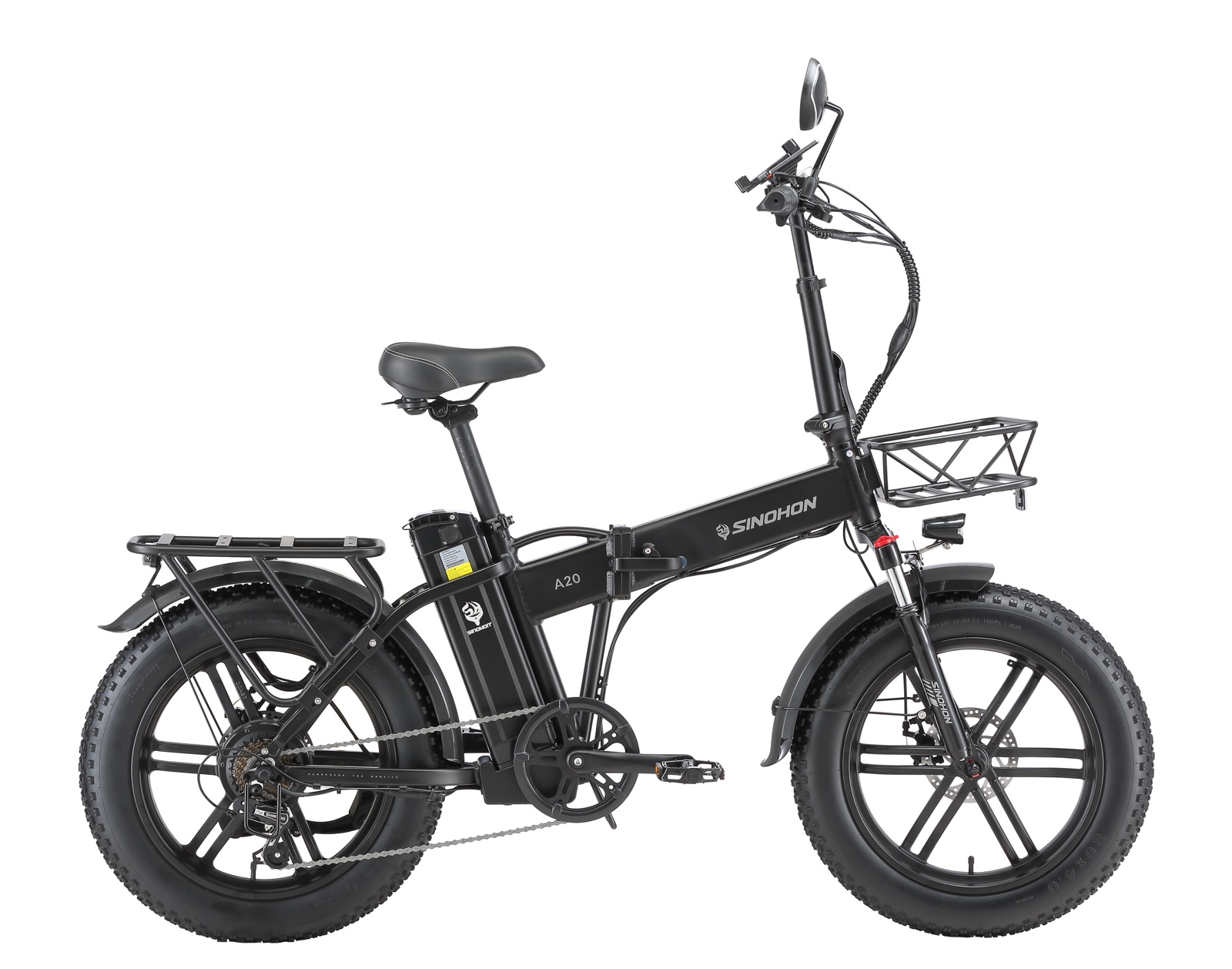
If you are choosing an e-bike for commuting or leisure, compare the features and intended uses of the SINOHON A20, B20, and other available models in our shop. Select a bike that suits your typical distance, terrain, storage needs, and riding style.